
Seller's Guide
Selling a home involves multiple steps, from pricing your property correctly to attracting potential buyers and negotiating the best deal. Our comprehensive guide walks you through every stage, ensuring you're fully prepared to make informed decisions. Discover tips on staging, marketing, navigating offers, and understanding the closing process, so you can sell your home quickly and for the best possible price. Let us help you take the stress out of selling and achieve your real estate goals with confidence.
Selling your home
Selling a home is a significant decision, and we are here to guide you every step of the way. From pricing your home correctly to marketing it effectively, our goal is to help you sell quickly and for the best price possible. Here’s how we make the process seamless and stress-free for you.

Step 1: Choose an Agent
Choosing the right real estate agent is the most important step when selling your home. Your agent will act as your advocate and advisor, providing market insights and helping you determine the best listing price. They will also handle negotiations, paperwork, and marketing your property. Working with an experienced agent ensures you have expert guidance throughout the selling process, from listing to closing.
Step 2: Prepare Your Home for Sale
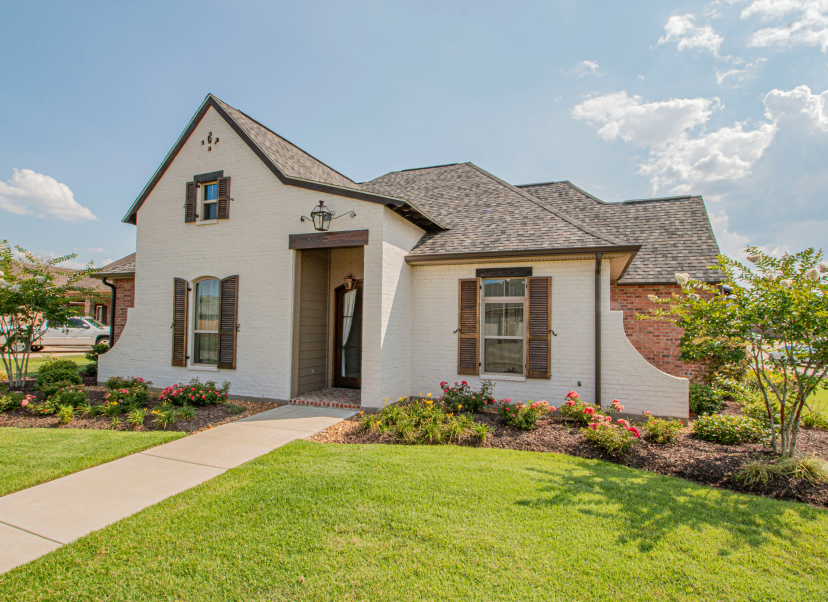
Before listing your home, it’s essential to prepare it for potential buyers. This involves decluttering, deep cleaning, and making any necessary repairs. Curb appeal is also critical, so ensure your landscaping is well-maintained and the exterior looks inviting. Staging your home can make it more appealing by allowing buyers to envision themselves living there. Our team will offer personalized tips on how to make your home stand out and attract serious buyers.

Step 3: Price Your Home Competitively
Setting the right price is crucial to a successful sale. Overpricing can deter potential buyers, while underpricing can leave money on the table. Your agent will conduct a Comparative Market Analysis (CMA) to evaluate the prices of similar homes in your area and recommend a competitive listing price. This ensures your home is attractive to buyers while maximizing your return on investment. A well-priced home often sells faster and closer to the asking price.
Step 4: Market Your Property Effectively
Once your home is ready and priced right, it's time to showcase it to potential buyers. Our marketing strategy includes professional photography, virtual tours, and listing your home on major real estate websites. We’ll also promote your property on social media and through targeted advertising to reach a wide audience. With our comprehensive approach, your home will gain maximum exposure and attract serious buyers.


Step 5: Negotiate and Close the Deal
After receiving offers, we’ll help you evaluate each one to determine the best option. Our experienced agents will guide you through the negotiation process, ensuring your interests are protected. Once you've accepted an offer, we’ll manage the closing process, including inspections, contingencies, and paperwork, to ensure a smooth transaction. Our goal is to make closing the deal as easy and stress-free as possible.
Seller's Closing Costs Explained
When selling your home, it’s important to understand the closing costs you may incur. One of the largest expenses is typically real estate agent commissions, usually 5% to 6% of the sale price, split between the buyer’s and seller’s agents. You may also need to cover the buyer’s title insurance, share escrow fees, and pay transfer taxes, which are usually based on a percentage of the sale price.
If the buyer’s inspection reveals issues, you might be asked to pay for repairs or offer a credit. Additionally, sellers are responsible for prorated property taxes, utilities, and any HOA dues up to the closing date. Smaller fees, such as notary, courier, and recording fees, may also apply. Understanding these costs will help you better prepare for a smooth sale process.
It's also important to consider any mortgage payoff costs if you still have an outstanding loan on the property. The balance will be paid off at closing, and some lenders may charge a prepayment penalty for early payoff. Additionally, sellers in certain states may be required to cover attorney fees to ensure all legal documents are properly handled. By being aware of these potential costs upfront, you can avoid surprises and plan your finances accordingly, ensuring a successful and stress-free closing.

Stay on top of your local Real Estate market
Get a FREE Market Report that outlines the average listing price, price reductions, new listings, and more!
 ©2026 Georgia Multiple Listing Service All information deemed reliable but not guaranteed. All properties are subject to prior sale, change or withdrawal. Neither listing broker(s) or information provider(s) shall be responsible for any typographical errors, misinformation, misprints and shall be held totally harmless. Listing(s) information is provided for consumer's personal, non-commercial use and may not be used for any purpose other than to identify prospective properties consumers may
 Listings identified with the FMLS IDX logo come from FMLS and are held by brokerage firms other than the owner of this website. The listing brokerage is identified in any listing details. Information is deemed reliable but is not guaranteed. If you believe any FMLS listing contains material that infringes your copyrighted work please